
How to Become a Profitable Industrial Cleaning Machine Distributor in India
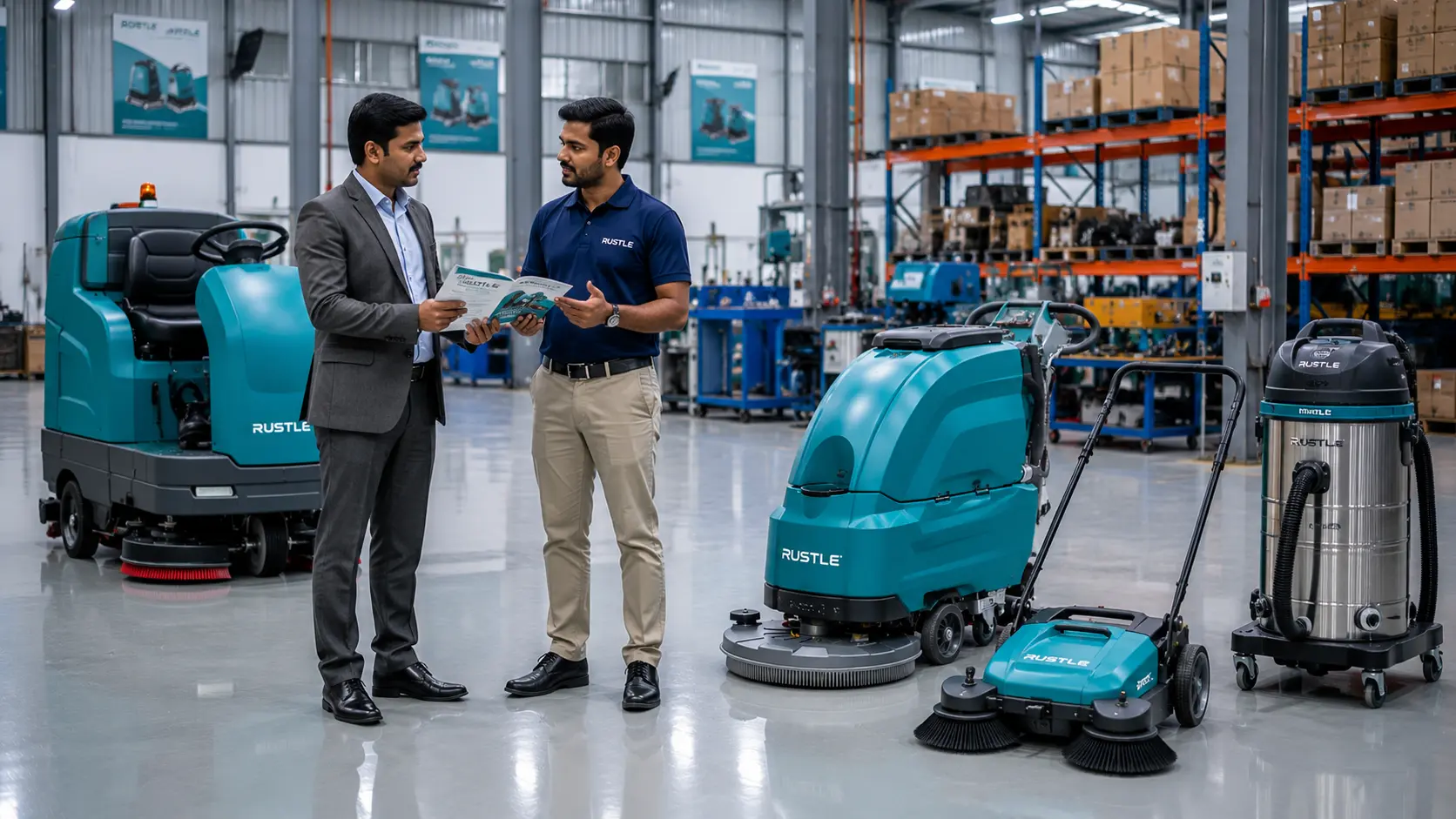
Industrial Cleaning Machine Distributor in India
Blog Summary
Starting an Industrial Cleaning Machine Distributor business in India can be a strong opportunity as factories, warehouses, hospitals, hotels, and commercial facilities increasingly need professional cleaning equipment. This guide explains how to choose the right manufacturer, understand distributorship requirements, evaluate investment, and build a successful sales network. It also covers important factors such as product quality, pricing, technical support, spare parts, training, and marketing assistance. Working with a reliable Industrial Cleaning Machine Manufacturer in India can help distributors offer dependable solutions and grow their customer base. Discover practical steps to start and expand your industrial cleaning equipment distribution business across India.
How to Become an Industrial Cleaning Machine Distributor in India
Walk into any large warehouse or factory floor in India today, and you’ll notice something: brooms and mops just don’t cut it anymore. Manufacturing plants, logistics hubs, hospitals, hotels and shopping malls are all dealing with floor areas that are too big and too demanding for manual cleaning to keep up.
That gap is exactly where a new breed of business opportunity has opened up — distributing industrial cleaning equipment like scrubber dryers, sweepers and industrial vacuum cleaners to the people who actually need them.
But here’s the thing most people don’t realize going in: this isn’t a business where you just stock machines and wait for orders to roll in. The dealers who actually succeed are the ones who get the product range right, pick manufacturers who back them up, understand the technical side, build real relationships with customers, and don’t disappear after the sale is made.
Why This Market Is Growing
Businesses across India are under pressure to clean faster, more consistently, and with less manual labour. A production floor spanning thousands of square feet, or a warehouse with constant foot and forklift traffic, simply needs machines to handle dust collection, scrubbing and routine upkeep.
That demand shows up across a wide range of industries:
- Automotive manufacturing
- Engineering and metal fabrication
- Pharmaceutical plants
- Food processing
- Textile and electronics manufacturing
- Packaging
- Warehouses and logistics centres
- Hospitals, hotels and shopping malls
- Airports and other commercial facilities
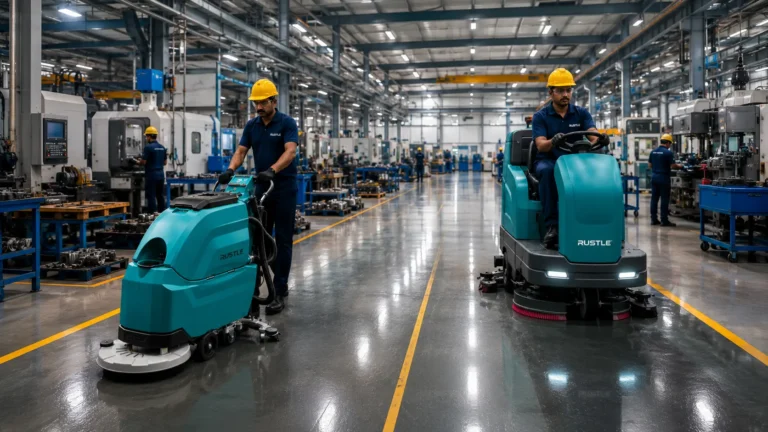
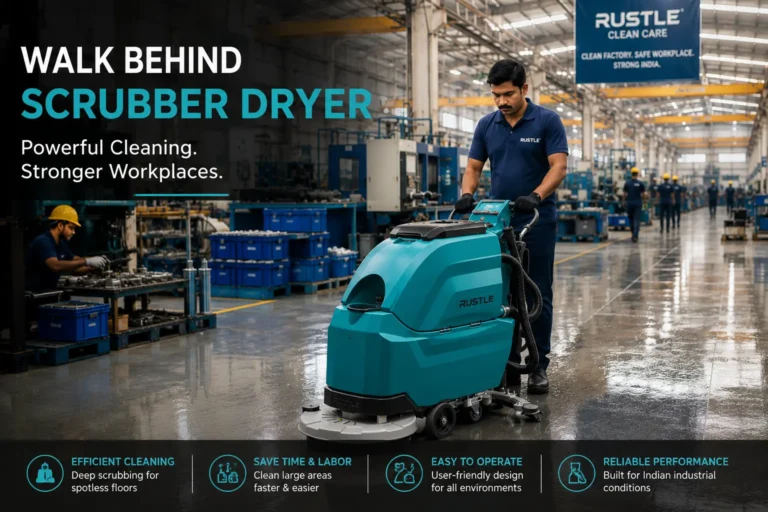
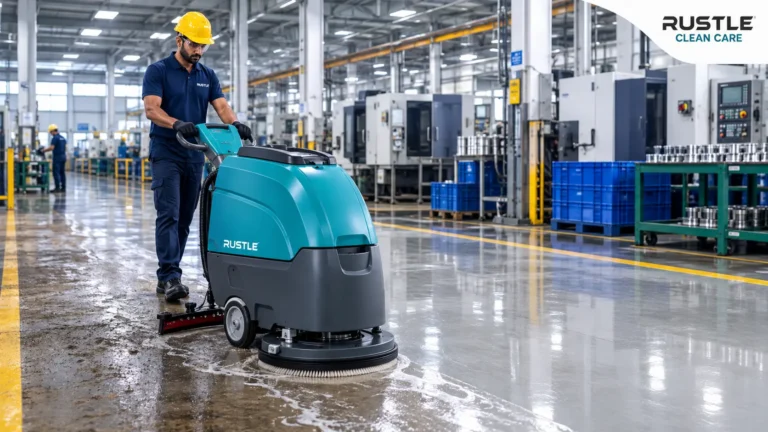
Think about it this way: a sprawling warehouse probably needs a ride-on sweeper to cover ground efficiently, while a mid-sized manufacturing plant might get more value from a walk-behind scrubber dryer for its hard floors. Knowing which machine fits which job — and being able to explain that to a customer — is often what separates a one-time sale from a client who keeps coming back.
What Should You Actually Sell?
A distributor who leans on a single product tends to hit a ceiling fast. It’s worth building a range that solves several different cleaning problems:
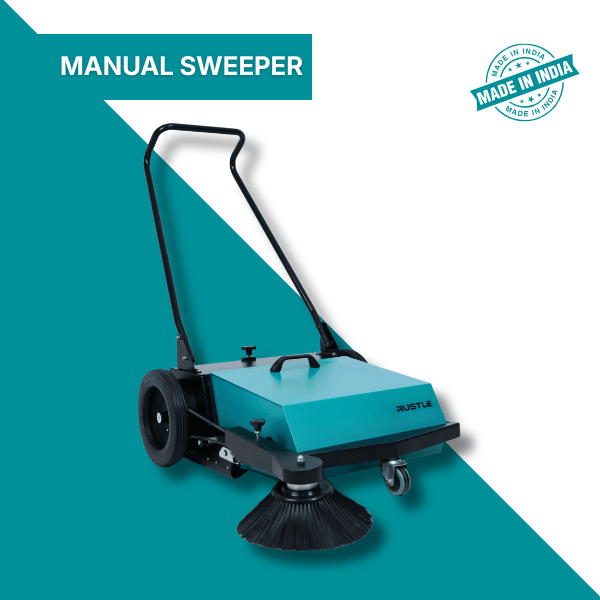
Manual sweepers — good for everyday dust and dry debris in smaller warehouses, pathways and workshops where a simple, compact tool does the job.
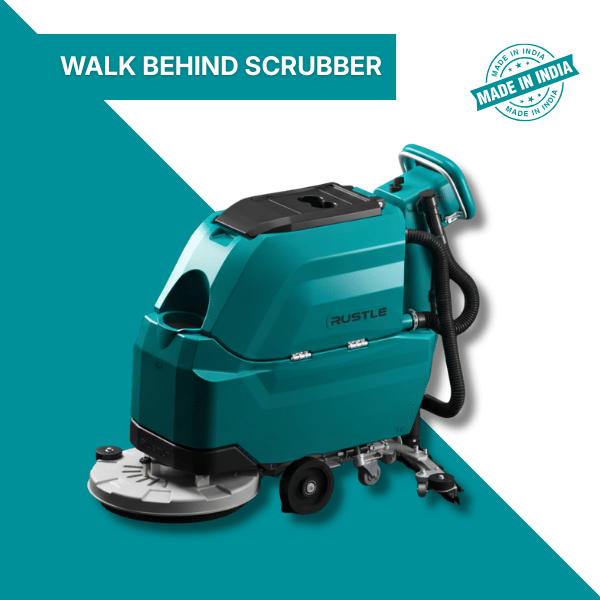
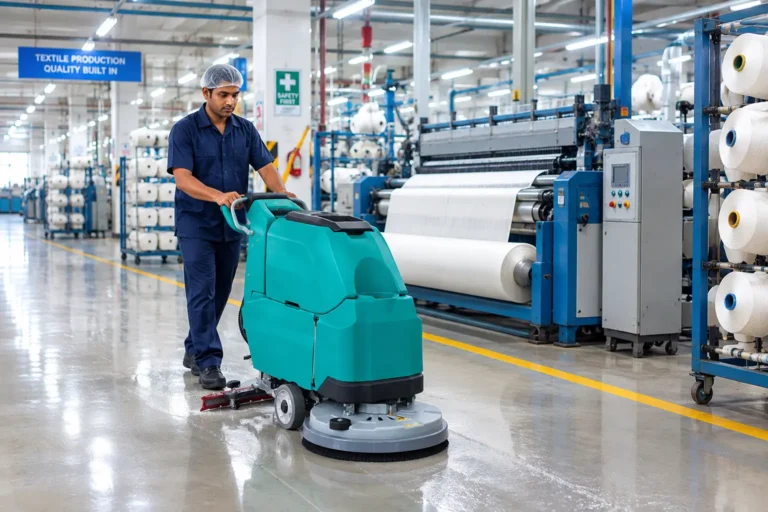
Walk-behind scrubber dryers — these scrub and recover dirty water in one pass, making them a solid fit for hard floors in factories, hotels, hospitals and commercial spaces.
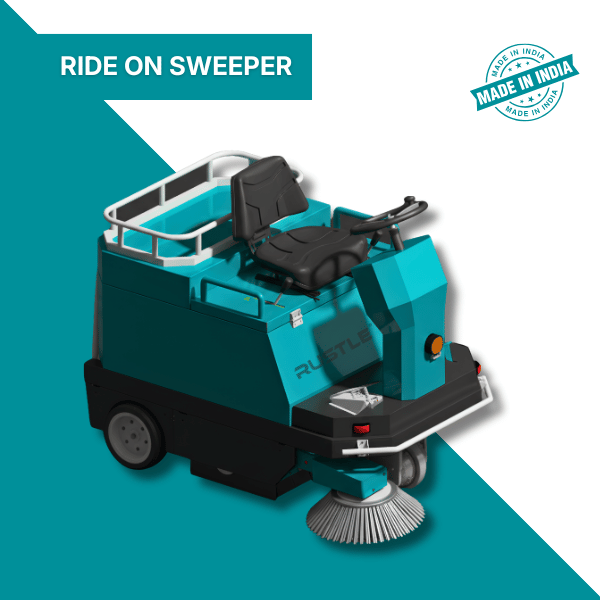
Ride-on sweepers — built for operators who need to cover large areas without walking every inch of it.
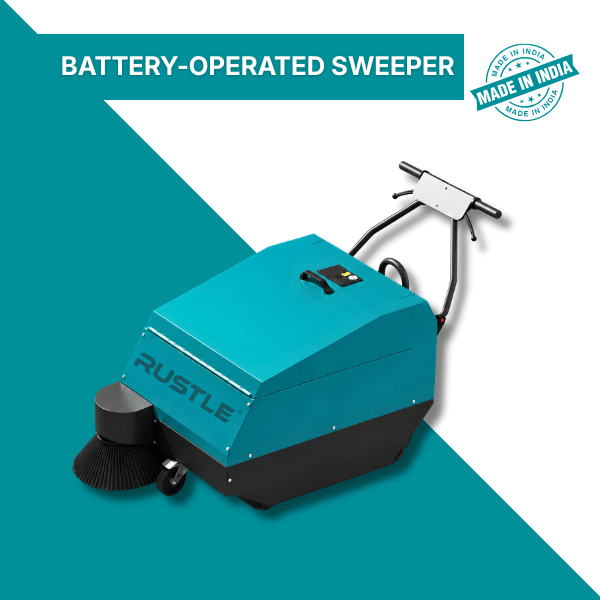
Battery-operated sweepers — a convenient option for businesses that want power without the manual effort.
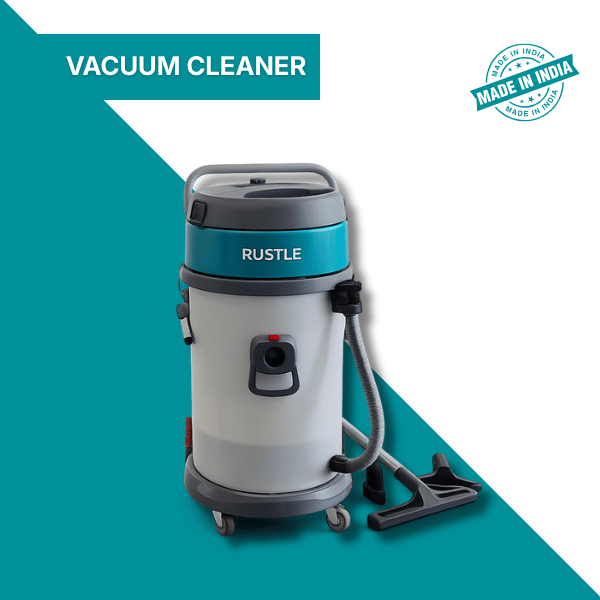
Industrial vacuum cleaners — handle dust, debris, and depending on the model, wet materials too.
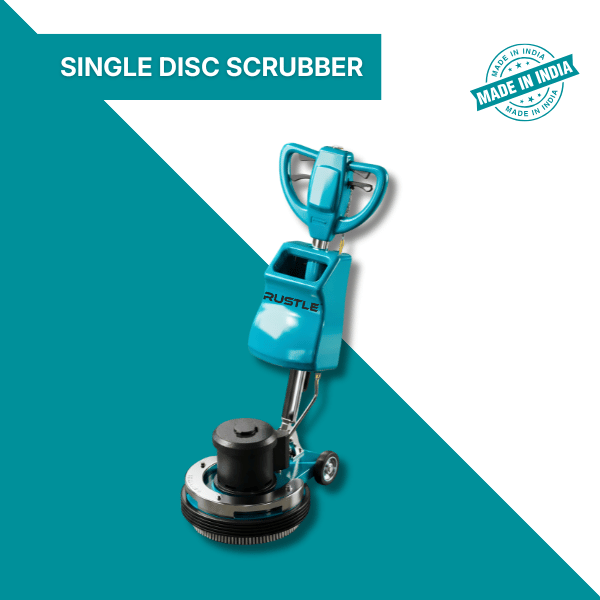
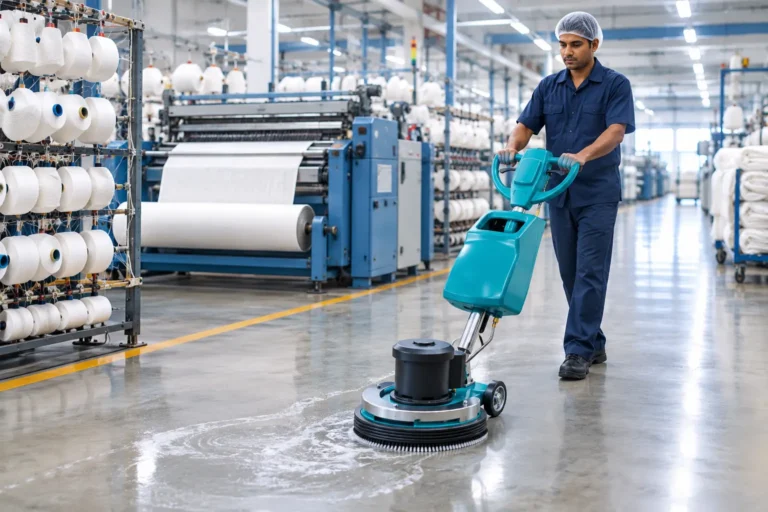
Single disc scrubbers — useful for intensive scrubbing, polishing and general floor maintenance.
Manufacturers like Rustle Clean Care, for instance, already carry most of this range — manual and battery-operated sweepers, ride-on sweepers, walk-behind scrubber dryers, single-disc scrubbers and industrial vacuum cleaners — which gives a distributor a fairly complete toolkit to work with from day one.
Choosing the Right Manufacturer
This decision matters more than almost anything else you’ll do early on, and it’s tempting to just go with whoever quotes the lowest price. Resist that.
Here’s what’s actually worth weighing up:
| What to check | Why it matters |
|---|---|
| Product quality | Fewer complaints down the line |
| Product range | Lets you serve more types of customers |
| Spare parts availability | Keeps customer machines from sitting idle |
| Technical support | Someone to call when a problem comes up |
| Installation help | Makes handover to the customer smoother |
| Operator training | Customers actually use the machine correctly |
| Warranty terms | Builds trust with the buyer |
| Delivery speed | You can respond quickly to enquiries |
| Marketing support | Helps you generate leads |
| Distributor support overall | Makes it easier to grow the business |
Rustle Clean Care, as an example, says its distributor support covers installation, operator training, scheduled maintenance, genuine spare parts and technical assistance — the kind of backing that takes pressure off a new dealer.
What You Need to Get Started

You don’t need a massive setup to begin, but you do need to be ready to provide real sales support and follow-through. That means:
- Business and GST registration — the basic paperwork for running a B2B equipment business in India
- A team that can sell — people who ask the right questions and can explain which machine fits which job
- An industrial customer network — contacts in factories, warehouses, hospitals and commercial facilities that can turn into leads
- Genuine product knowledge — your team should know a sweeper from a scrubber from a vacuum, and why it matters
- After-sales capability — customers expect help once the machine is installed, not before
- A focused territory — pick a city or industrial cluster and go deep, rather than spreading thin across the whole country
Finding Customers Without Waiting Around
New dealers often make one mistake early on: they wait for customers to come to them. That rarely works. You need to go out and build a proper B2B sales pipeline.
Start with industrial hubs. Cities and clusters like Chennai, Coimbatore, Hosur, Bangalore, Hyderabad, Pune, Ahmedabad, Mumbai, and the broader Gujarat and Maharashtra regions are natural starting points — approach the factories, warehouses, logistics companies, hospitals, hotels and facility-management firms in these areas directly.
Don’t rely on just one channel. A mix works better:
- Google Business Profile and local SEO
- LinkedIn outreach
- Industry exhibitions
- WhatsApp business enquiries
- Email campaigns
- Direct factory visits
- Industrial directories
- Search advertising
- Referrals
- Leads passed on by the manufacturer
One thing that tends to work well: instead of pitching every product to every prospect, build separate campaigns around specific use cases — factory floor cleaning, warehouse sweeping, hotel floor scrubbing, industrial vacuuming. It’s a small shift, but it makes your outreach feel relevant instead of generic.
Competing With the Big Names
You’re not entering an empty market. Roots Multiclean runs a well-established channel-partner programme with clear dealer margins and technical backing. Kärcher India has an extensive service network with branches across the country.
Trying to undercut players like that on price alone is a losing game. What actually works for a newer distributor is:
- Responding to enquiries faster than the big guys can
- Building real, local relationships
- Offering hands-on product demonstrations
- Recommending machines based on the actual application, not just what’s in stock
- Staying reachable after the sale
- Keeping spare parts on hand
- Showing genuine technical know-how
- Maintaining a strong online presence
- Following up — consistently, not just once
The distributors who do well aren’t the ones who sell the most machines. They’re the ones customers start calling a “cleaning partner” instead of just a vendor.
Mistakes Worth Avoiding
Selling the same machine to every customer. A hotel, a factory and a warehouse rarely need the same equipment — treat them differently.
Racing to the bottom on price. Cheap machines with no support behind them tend to create bigger problems later.
Skipping after-sales service. Industrial customers care about uptime above almost everything else. A machine that breaks down with no one to call damages trust fast.
Not asking enough questions. Before recommending anything, find out the floor area, floor type, dirt levels, cleaning frequency, available operators and general working conditions.
Betting everything on one lead source. Spread your efforts across SEO, direct outreach, referrals, exhibitions and LinkedIn rather than leaning on just one.
A Simple Way to Get Started
- Pick a target territory and the industries you want to serve.
- Partner with an established manufacturer of industrial cleaning equipment.
- Learn the full product range and where each machine actually fits.
- Build a list of factories, warehouses, hospitals, hotels and commercial businesses in your area.
- Start doing demonstrations, sending quotations, and following up — again and again.
From there, growth is mostly a matter of time: expand your territory, bring on sales reps, and keep deepening your local customer base.
Why Rustle Clean Care Could Be Worth a Look
Rustle Clean Care is an Indian manufacturer building industrial and commercial cleaning equipment for factories, warehouses, hospitals, malls and similar facilities. Their current lineup covers sweepers, scrubber dryers, single-disc scrubbers and industrial vacuum cleaners.
They also back their distributors with installation support, training, maintenance, spare parts and technical assistance — which matters a lot when you’re just getting started and don’t want to be figuring everything out on your own.
The Bottom Line
India’s manufacturing, logistics, healthcare, hospitality and commercial sectors keep growing, and that growth is exactly what’s driving demand for professional cleaning equipment. For anyone thinking about starting or expanding a distribution business in this space, the opportunity is real — but it rewards patience over volume.
Selling more machines isn’t really the goal. Understanding your customers, recommending the right equipment, showing up for demonstrations, following up without fail, and backing every sale with real support — that’s what builds a distribution business that actually lasts.
If you’re serious about becoming an industrial cleaning machine distributor in India, the starting point is simple: pick the right manufacturer, define your territory, and build a sales strategy that’s focused rather than scattered.
Interested in a distributor opportunity with Rustle Clean Care?
Explore their industrial cleaning machine range and reach out to their team for distributor enquiries and product details.
Become a Rustle Clean Care Distributor — build your cleaning-equipment business with a full range of sweepers, scrubbers and vacuum machines designed for Indian commercial and industrial applications.
FAQs – Industrial Cleaning Machine Distributor
1. How can I become an industrial cleaning machine distributor in India?
Contact a manufacturer, discuss distributorship requirements, and complete the application process.
2. What investment is needed to start a cleaning machine dealership?
Investment depends on the product range, territory, inventory, and business model.
3. Is prior experience required to become a distributor?
Not always. Sales, technical, or industrial equipment experience can be an advantage.
4. What support do cleaning machine manufacturers provide?
Manufacturers may provide product training, technical support, marketing assistance, spare parts, and installation support.
5. Which cleaning machines can I sell as a distributor?
Depending on the manufacturer, you may sell sweepers, scrubber dryers, vacuum cleaners, and other industrial cleaning equipment.
6. Can I become a cleaning machine distributor in my city?
Yes, distributorship opportunities may be available across different cities and states in India, subject to territory availability.